
Aliyev and Pashinyan in Washington for US-Brokered Peace Memorandum
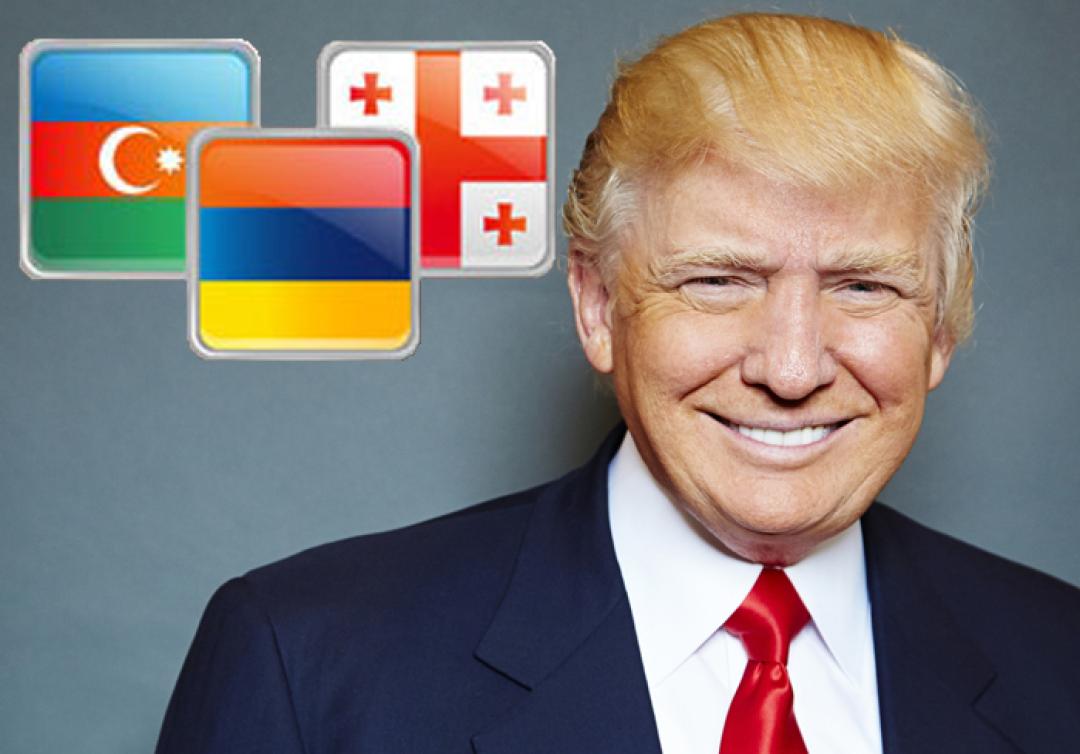
On August 7, Azerbaijani President Ilham Aliyev and Armenian Prime Minister Nikol Pashinyan visited Washington ahead of the signing of a US-brokered peace agreement scheduled for August 8. Discussions centered on the "Zangezur Corridor," bilateral cooperation, and regional stability, while various political figures and groups voiced differing views on the plan.
Official Meetings
On August 7, President Ilham Aliyev of Azerbaijan arrived in Washington for a working visit at the invitation of US President Donald Trump. He was welcomed by government officials at Joint Base Andrews and later met with Steve Witkoff, the US President’s Special Envoy. Prior to their meeting, a "Memorandum of Cooperation" was signed between SOCAR and ExxonMobil in the presence of President Aliyev and Special Envoy Witkoff. The document was signed by Azerbaijani Minister of Economy Mikayil Jabbarov and ExxonMobil Vice President John Ardill. Following the ceremony, Aliyev and Witkoff discussed the bilateral agenda, regional issues, and the Armenia-Azerbaijan normalization process.
Also on August 7, Prime Minister Nikol Pashinyan of Armenia visited the Museum of the Bible in Washington. He toured the exhibits, including displays of Armenian Christian heritage, and presented the museum with a copy of Grigory of Narek's medieval Book of Lamentations, written in 1173.
Media Reports on the Peace Process
According to Reuters, the United States has secured exclusive rights to develop a strategic transit corridor through Armenia’s Syunik region—also known as the "Zangezur Corridor"—as part of the upcoming peace agreement. The route, to be named the Trump Route for International Peace and Prosperity (TRIPP), will operate under Armenian law and be subleased by the US to a consortium for development. The agreement is expected to be signed at the White House on August 8. As part of the deal, the US also plans to dissolve the OSCE Minsk Group.
President Trump announced on Truth Social that he would be joined by Aliyev and Pashinyan for the signing ceremony. US Secretary of State Marco Rubio stated that the event would mark the beginning of a peace treaty, comparing the mediation effort to US interventions in other international disputes. The US State Department confirmed that Trump would hold separate meetings with both leaders before the trilateral signing.
Other Developments
Armenian officials reiterated their stance against "corridor" solutions. Prime Minister's Spokesperson Nazeli Baghdasaryan and Parliament Vice Speaker Ruben Rubinyan emphasized that any transport unblocking must be based on sovereignty and territorial integrity, with all infrastructure remaining under Armenia’s control.
Conversely, Parvana Valiyeva, a member of the Azerbaijani Parliament, stated that peace would be unrealistic without the dissolution of the OSCE Minsk Group, the removal of territorial claims from Armenia’s Constitution, and the opening of the Zangezur Corridor.
The UN welcomed the trilateral meeting, while former Georgian President Mikheil Saakashvili hailed the agreement as "the liberation of the Caucasus from the clutches of Russia." However, the Armenian National Committee of America (ANCA) opposed the deal, warning against forcing unilateral concessions from Armenia and calling the Zangezur Corridor a threat to its security. "Normalizing ethnic cleansing is not peace," said ANCA Executive Director Aram Hamparian. Meanwhile, US Senator Steve Daines stressed that a peace deal was vital for US national security, as the "Trump route" would ensure the transport of energy and rare earth metals from Central Asia to Europe, reducing dependence on Russia and China.
News,
Politics,
Armenia, Azerbaijan |
Nikol Pashinyan, USA, Ilham Aliyev, Armenia-Azerbaijan Relations