
Ararat Mirzoyan Highlights Armenia-Azerbaijan Peace, Border Delimitation, Transport Projects, and Regional Issues
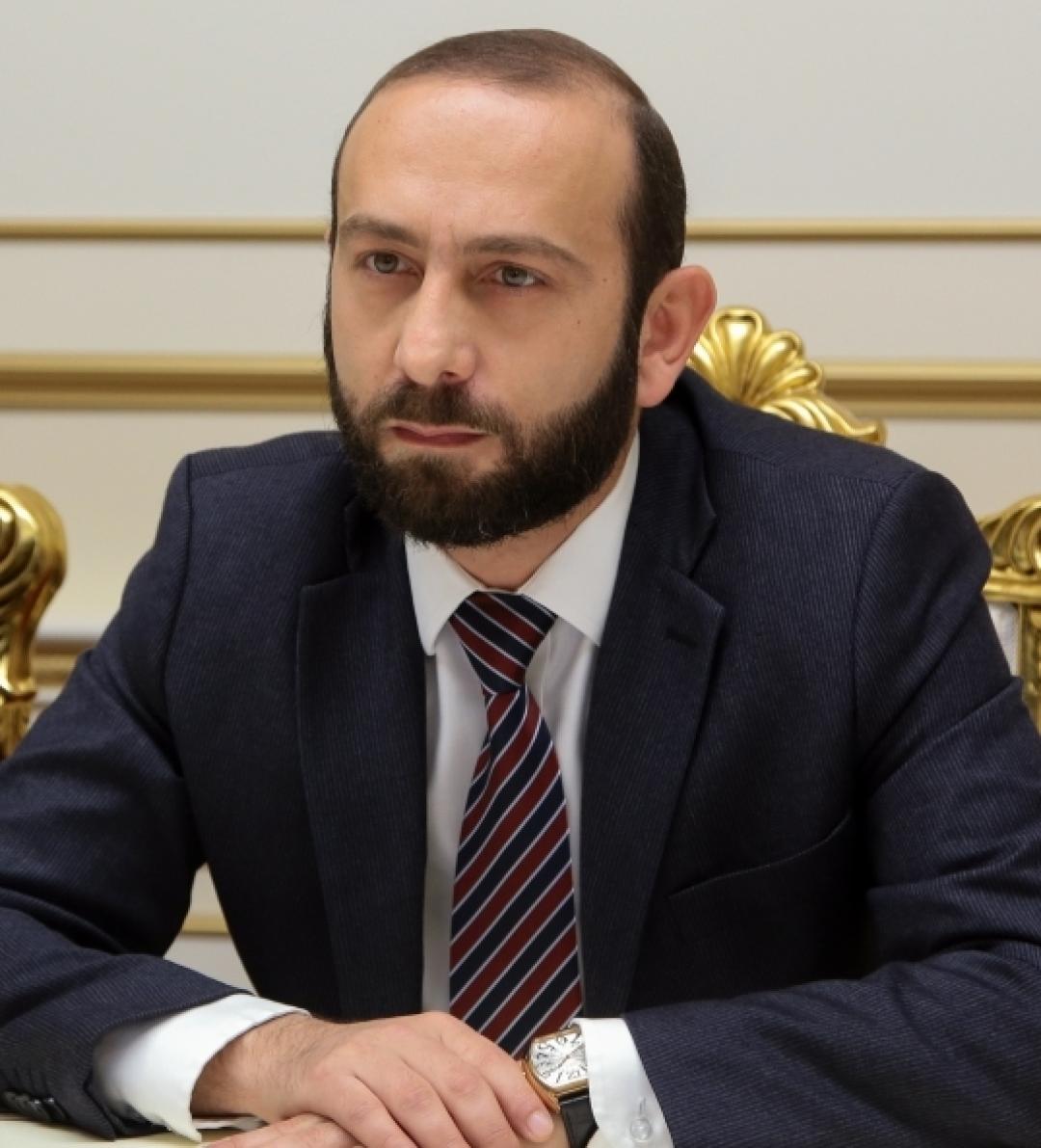
On October 17, Ararat Mirzoyan, the Armenian Foreign Minister, emphasized the importance of the Washington Declaration between Armenia and Azerbaijan, describing it as a key milestone in unblocking regional infrastructure and advancing peace. During the interview with DW, Mirzoyan stated that under the agreement, infrastructure on Armenian territory would remain under Armenian jurisdiction, while Azerbaijani infrastructure would operate under Azerbaijani jurisdiction. He noted that a peace treaty had been initialed and border delimitation had begun, with a 12-kilometer stretch already determined. The minister emphasized that the process is complex but ongoing, and that border delimitation may continue at the same pace or accelerate.
Mirzoyan also discussed transportation and energy projects, including a section of railway to be managed by a US-Armenian consortium, which could subcontract operational tasks. He rejected Azerbaijani preconditions for signing the peace treaty related to constitutional amendments, stressing that Armenia’s constitution contains no territorial claims against Azerbaijan. He clarified that there would be no extraterritorial corridor in Syunik and that all sovereignty and jurisdiction along the "Trump Route for International Peace and Prosperity" are fully recognized.
The minister highlighted the normalization of Armenian-Turkish relations, stating that the Armenian-Turkish border could open, rail services could resume, and diplomatic ties could be established following the peace agreement. He added that EU accession remains Armenia’s official policy, with ongoing cooperation under the Comprehensive and Enhanced Partnership Agreement and preparations for visa facilitation, expected within one to two years.
Mirzoyan also addressed Armenia’s relations with Russia, noting both cooperation and disagreements. He highlighted positive Russian support for transport projects linked to the peace process but stressed Armenia’s sovereign choice to deepen ties with the EU and strategic partners, emphasizing that political decisions reflect the will of Armenian citizens. On foreign policy regarding Ukraine, Mirzoyan stated that Armenia maintains good bilateral relations and provides humanitarian support, noting that concerns about Armenia’s position often exist only in media or expert circles. He also discussed the role of the Armenian diaspora, emphasizing that while their perspectives are valued, decisions on foreign policy and domestic matters remain the prerogative of citizens living in Armenia.