
Armenian PM Rejects ‘Postponement Mentality,’ Calls for Direct Solutions in Diplomacy
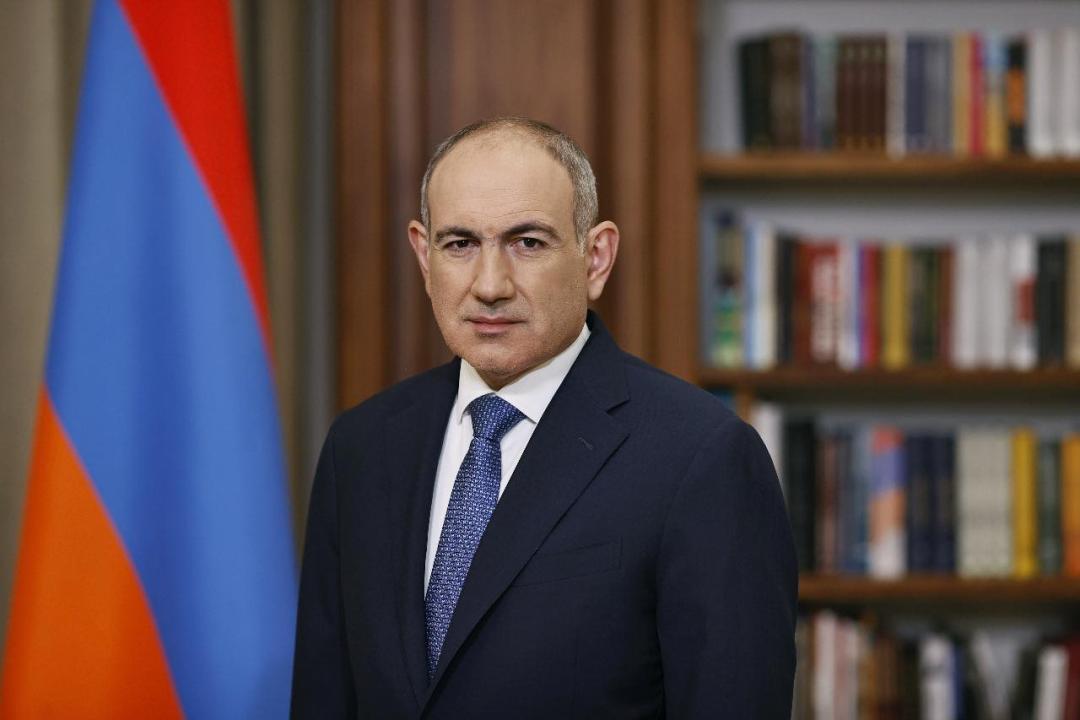
Armenia’s Prime Minister Nikol Pashinyan, speaking at the annual workshop for heads of Armenia's diplomatic missions in Kapan, underscored the importance of building trust in Armenian-Azerbaijani relations and called for a fundamental shift in the country’s diplomatic mindset.
Reflecting on Armenia's historical challenges, he noted that the country has often failed to align its trajectory with global developments. “When studying the specifics of all the disasters that we have had throughout our history, we have come to the conclusion that, as a rule, we have not been able to bring the rhythm of our history into line with the rhythm of international developments,” he said.
Referring to the Washington meetings on August 8, the Armenian PM stressed their historic significance: “What happened in Washington means that the rhythm of our policy has become in line with certain international processes, which is extremely important, and this is perhaps our first realistic and real opportunity in several centuries to become in line with international developments. And this is an extremely important conclusion.”
Addressing the persistent question in Armenian public discourse — “How can we trust Azerbaijan?” — Pashinyan said this reflects the essence of the challenge between the two nations. “The problem is to build trust step by step, drop by drop. I would even say that if Armenia and Azerbaijan trusted each other, there would simply be no need to sign any documents. Diplomacy is about creating a small fulcrum or even a theoretical possibility of trust in an environment of distrust,” he noted.
He stressed that the goal of diplomacy should be to resolve issues rather than postpone them, rejecting the long-standing perception that delaying problems amounts to success. “There is a certain formula in our mentality: if we managed to postpone the solution of this or that issue for another month, three months, four years, or even 10 years, we considered it a success. We must understand that if there is an issue, it requires a solution. And as long as we do not resolve it, that is already a failure, and there cannot be a greater failure than that,” he said. Pashinyan called for a complete break from this approach, declaring: “We must stamp out this practice completely.” According to him, addressing challenges directly through diplomacy is key to securing long-term stability and peace in the region.