
Azerbaijan Faces Increasing Water Scarcity and Environmental Threats
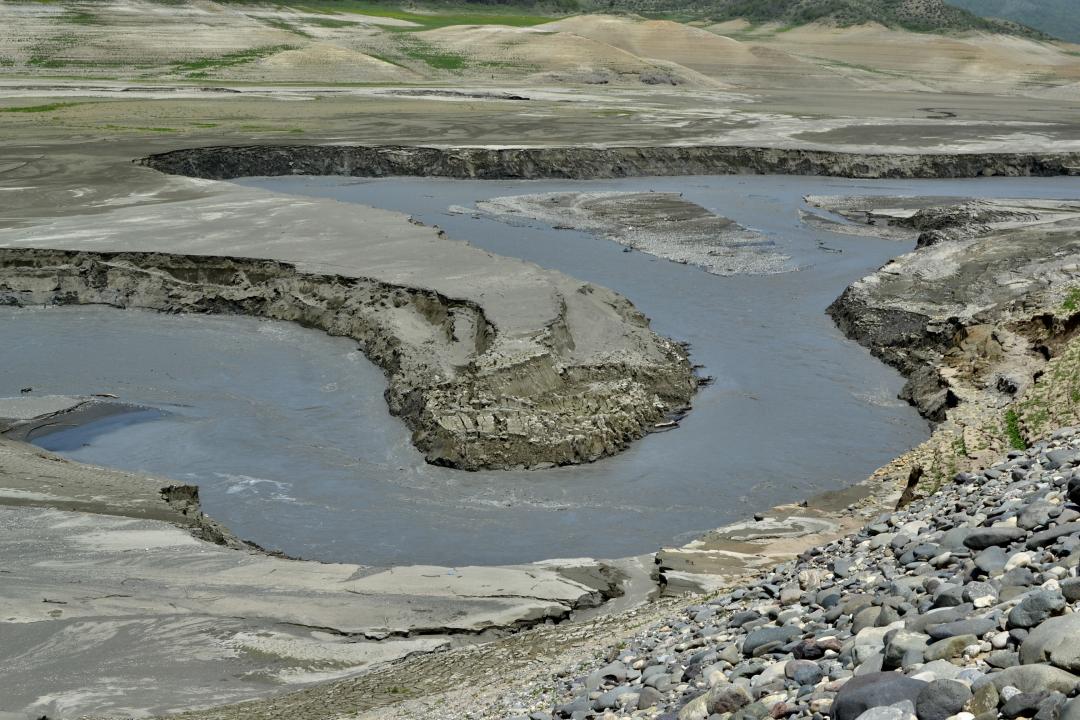
On September 2, Mukhtar Babayev, the Representative of the President of Azerbaijan on Climate Issues, warned at the closing ceremony of the UN Local Youth Conference on Climate Change "LCOY Azerbaijan 2025" that the water problem may become extremely dangerous in the coming years. Babayev emphasized the need to incorporate topics on water conservation, proper collection and distribution, and efficient use of water resources in agriculture into the education system. He stated, "The topic of climate change is closely related to the education system. Therefore, these topics must be taught. For a wonderful future, young people must be educated on climate change issues."
He also highlighted that the declining water levels in the Caspian Sea complicate port operations, noting that "due to the decrease in water levels, the ports themselves are becoming shallower, and problems arise with receiving ships and unloading cargo. In addition, the decrease in sea levels has a negative impact on biodiversity, leads to the death of living organisms and the formation of new islands. Oil and gas operations in the water area are also under threat." Babayev further addressed the problem of melting glaciers, observing that approximately 7% of glaciers worldwide have melted over the past 20 years, with particularly intense melting in the Greater Caucasus.
Rafig Verdiyev, head of the State Control Service for Water Use and Protection under the Azerbaijan State Water Resources Agency (ASWR), provided additional data during the panel discussion on "Water security in the context of climate change." He noted that Azerbaijan’s underground freshwater resources have decreased from roughly 10 billion cubic meters to 8.4 billion, while the country’s renewable freshwater resources total 26.2 billion cubic meters, although 25% of water taken from natural sources is lost. Verdiyev also reported that over the past 34 years, the flow of the Kur River, Azerbaijan’s main water artery, has declined by 9%, with the greatest decrease of 19% occurring in the summer period and a 28% drop observed below the Mingachevir reservoir.