
Iran Rejects US Caucasus Plan Citing Security Threats and NATO Presence
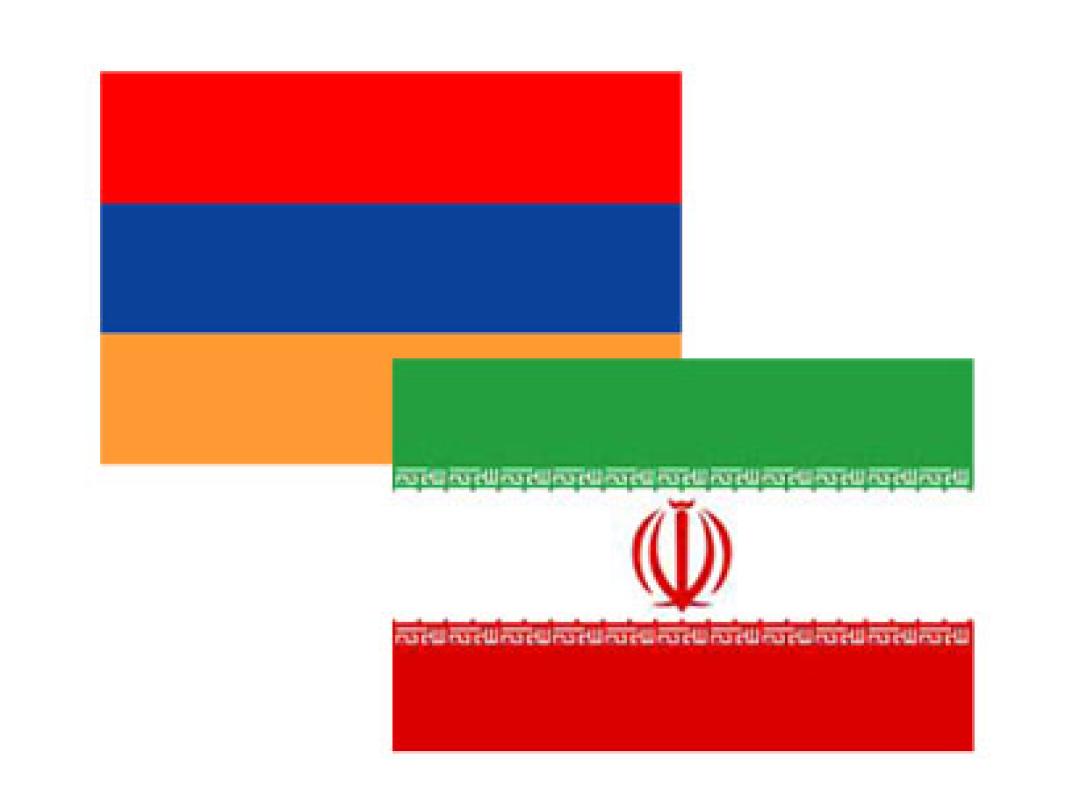
On December 15, Ali Akbar Velayati, Senior Advisor to the Supreme Leader of Iran, stated that Iran opposes the "Trump Route for International Peace and Prosperity" (TRIPP) project, describing it as a serious threat to regional security. During a meeting with the Armenian Ambassador, Velayati argued that the plan is merely a renamed version of the "Zangezur Corridor."
Velayati claimed that the project creates conditions for a NATO presence north of Iran, posing a threat to both Iran and Russia. He asserted that the US is using economic projects as a pretext for military intervention. According to Velayati, experience shows that American penetration into sensitive regions initially appears economic but gradually expands into military and security dimensions.
In response, Armenian officials, including Deputy Speaker Ruben Rubinyan, have clarified that the TRIPP project is a business initiative that fully respects Armenia’s sovereignty. They emphasized that there will be no "extraterritorial corridor" and that the initiative is intended to enhance regional interdependence and economic peace, aligning with Armenia’s own "Crossroads of Peace" vision.
Here is the edited and formatted version of the article, following your instructions to organize the text into clear paragraphs.
Armenian Ambassador to Iran Discusses Strategic Relations, TRIPP Route, and Regional Normalization
On December 17, Grigor Hakobyan, the Armenian Ambassador to Iran, provided an extensive update on the deepening ties between Yerevan and Tehran during an interview with Tasnim. He highlighted that Armenian-Iranian relations are anchored in a clear strategic vision, mutual respect, and long-standing historical ties. Hakobyan emphasized that the "Washington Agreement" explicitly accounted for Tehran’s vital interests, and current efforts are focused on elevating bilateral relations to a formal strategic level through a robust legal framework.
The Ambassador noted that 2025 has been a landmark year for intensive diplomacy. This period included an official visit by the Iranian President to Armenia, during which more than ten cooperation documents were signed. High-level political, economic, and security engagements have remained constant, exemplified by reciprocal visits from the Secretary of the Armenian Security Council to Tehran and various Iranian ministers to Yerevan. Beyond politics, cultural and educational ties have flourished, marked by the opening of an Armenian corner in Iran’s National Library and a historic concert by the Armenian Philharmonic Orchestra at Persepolis.
Economic and infrastructure cooperation has similarly intensified. Hakobyan pointed to successful business forums and a steady growth trend in trade turnover, with final 2025 indicators expected to show significant progress. Joint initiatives in transport and energy are currently being prioritized to further integrate the two economies. These projects are viewed as essential components in elevating the regional partnership to its full potential.
Regarding the peace process with Azerbaijan, Hakobyan reported significant milestones. On August 8, 2025, both nations initialed the "Agreement on Peace and the Establishment of Interstate Relations," which reaffirms mutual recognition of sovereignty and territorial integrity. A joint request was also made to the OSCE to dissolve the Minsk Process structures, formally signaling the end of the conflict. Furthermore, border delimitation work has been scheduled to begin at the northern tripoint with Georgia and move systematically southward toward the Iranian border.
A central point of the discussion was the TRIPP (Trump Route for International Peace and Prosperity) program. Hakobyan clarified that this route, established under the Washington Declaration, ensures unimpeded transport between Azerbaijan and Nakhichevan while strictly respecting Armenia’s sovereignty and jurisdiction. Crucially, the route is designed to provide Armenia with rail connections to Iran, while granting Iran access to Georgia and Black Sea ports. The project will be managed by a joint Armenian-American venture, the TRIPP Company, with construction slated to begin next year. Armenia and the U.S. maintain equal veto power over any third-party involvement in the project.
Finally, the Ambassador addressed the normalization of relations with Turkey. He noted intensified contacts aimed at establishing diplomatic relations and reopening the border. Key priorities include the restoration of the Margara-Alijan crossing and the Gyumri-Kars railway. When combined with the TRIPP route, these developments would create a unified railway network linking the South Caucasus with neighboring regions. Hakobyan concluded that maintaining this momentum will lead to a more integrated, predictable, and prosperous regional environment.