
Kaja Kallas Warns New EU Visa Rules May Affect Groups in Georgia
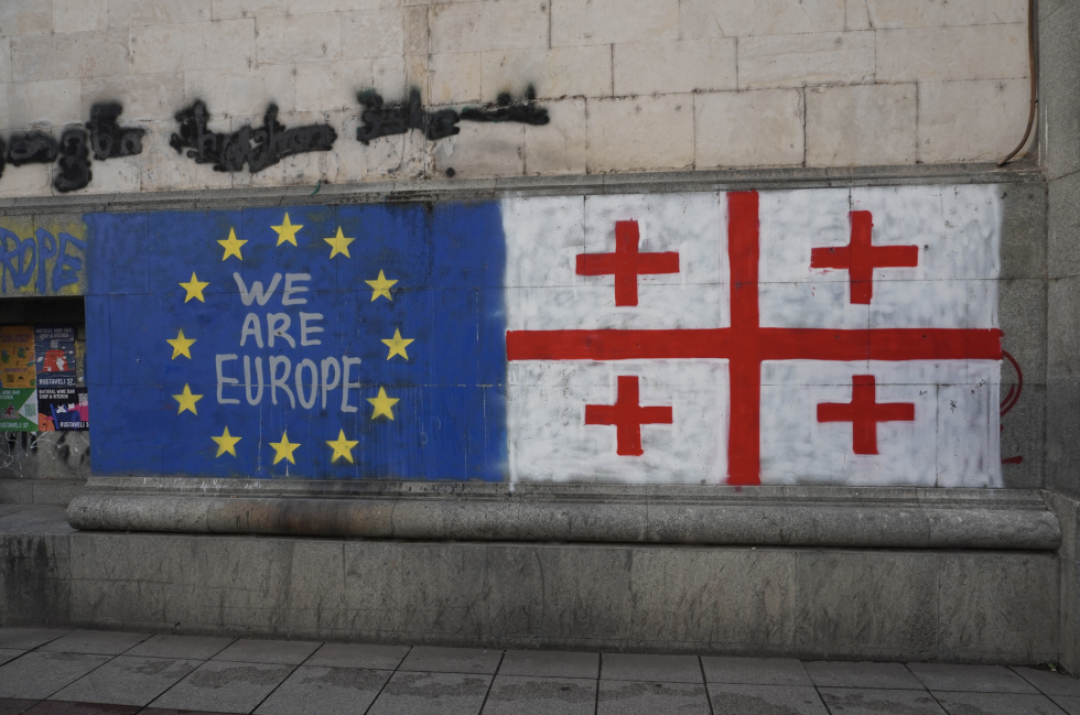
On October 20, Kaja Kallas, the High Representative and Vice President of the European Union for Foreign Affairs and Security Policy, stated that the new EU visa regulations could potentially affect certain groups in Georgia. During the press conference following the EU Foreign Affairs Council meeting in Luxembourg, Kaja Kallas, the EU High Representative/Vice President, emphasized that the ministers had expressed serious concerns about the ongoing deterioration of the rule of law and human rights situation in Georgia. She stated that "personal attacks against European ambassadors are unacceptable and have no place in diplomacy".
Kallas explained that the European Commission would release its visa suspension mechanism report later in the year, with the new regulation on visas entering into force in November. According to her, this change would allow the EU to suspend visa-free travel “for some groups”. She further emphasized that the actions of the Georgian authorities made the country’s EU accession “impossible to consider,” adding that their policies were moving "totally in another direction from what Europe represents".
Marta Kos, the EU Commissioner for Enlargement, praised the Georgian people for their commitment to a "European future,” while criticizing the government for disregarding public aspirations. She stated that "their government apparently does not listen to its own people and does not want to go the European way". Kos also condemned what she described as "false narratives" spread by the Georgian Dream authorities against European institutions and their representatives. She urged the Georgian government to "listen to its people, to be inclusive, to engage with civil society, and to follow their wish to become part of Europe".