
Kobakhidze on Refused Ivanishvili-Dunnigan Meeting: "A Message From the Deep State"
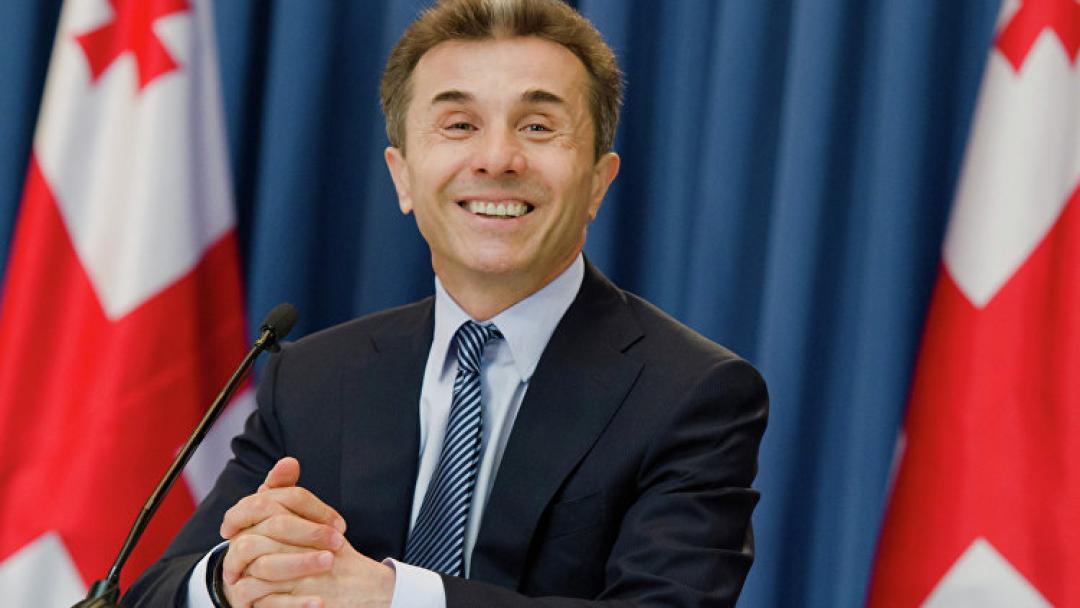
Georgian Prime Minister Irakli Kobakhidze has addressed reports that the founder of the ruling Georgian Dream party, Bidzina Ivanishvili, refused to meet with U.S. Ambassador Robin Dunnigan. Kobakhidze claimed the government was unaware of the source of the report and linked the situation to a "deep state" conspiracy, suggesting the message Ambassador Dunnigan intended to deliver did not originate from the official U.S. administration.
The controversy centers around a meeting requested by Ambassador Dunnigan for May 22. According to the U.S. Embassy and the Ambassador herself, the meeting was requested at the behest of U.S. Secretary of State Marco Rubio to personally convey a response to a letter from the Georgian Dream leadership. However, the meeting with Ivanishvili never took place.
In a televised interview, Prime Minister Kobakhidze questioned the origins of the American message. He voiced suspicions that it came from a unit within the State Department still under the influence of the "deep state," citing what he described as Ambassador Dunnigan’s "direct connections." He argued that the message was deliberately addressed only to Bidzina Ivanishvili, who is currently under U.S. sanctions.
Kobakhidze elaborated on this logic, stating, “Mr. Bidzina Ivanishvili is under blackmail. He is not the prime minister. Specific people – representatives of the ‘deep state’, according to our logic, wanted to convey this message to the person who is being blackmailed.” He added that if the U.S. truly wanted to deliver a message to the government leadership, it could have been done through any high-ranking, non-sanctioned official, such as the prime minister or foreign minister. He asserted that the message would have reached Ivanishvili regardless.
The United States imposed sanctions on Bidzina Ivanishvili in December of last year. The State Department explained that the sanctions were a response to actions by Ivanishvili and Georgian Dream that have "destroyed democratic institutions, contributed to the violation of human rights and limited the exercise of fundamental freedoms in Georgia." The statement also accused them of forcing Georgia to turn away from its Euro-Atlantic path, a future desired by the majority of the Georgian people and reflected in the nation's constitution.