
Pashinyan Outlines Reforms, Peace Process, And Anti-Corruption Measures
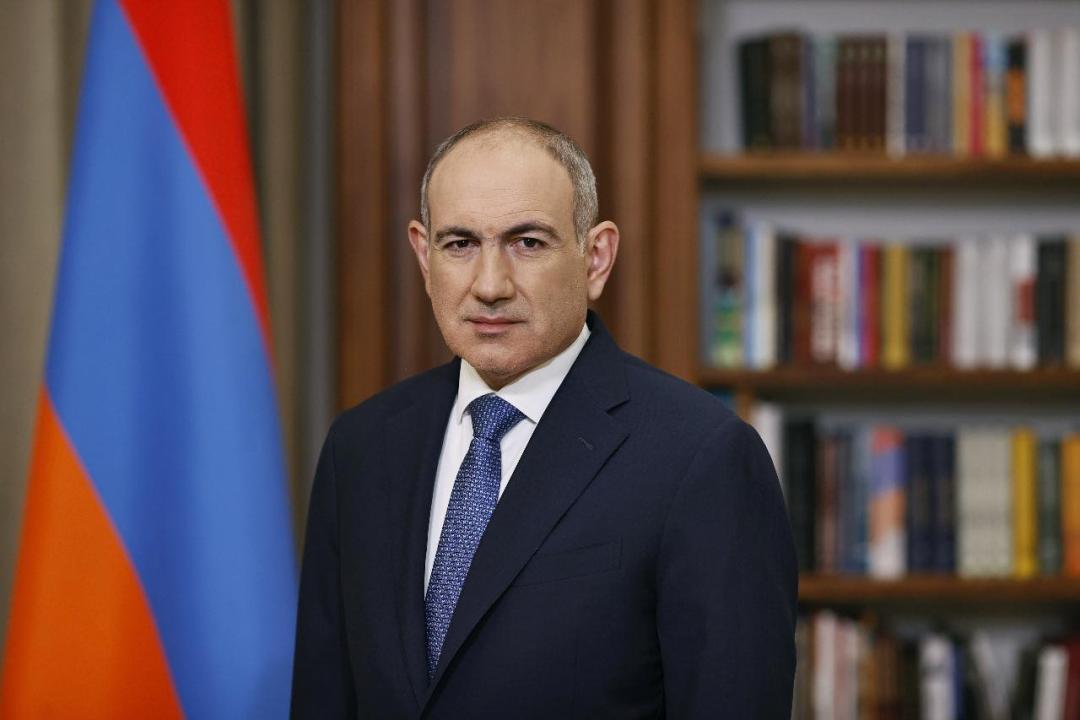
On October 23, during a government meeting, Nikol Pashinyan, the Prime Minister of Armenia, delivered extensive remarks on social policy reforms, economic development, the peace process with Azerbaijan, anti-corruption efforts, and institutional strengthening. Pashinyan emphasized the need to "change the vocabulary" used in Armenia’s disability assessment system, noting that the country was shifting from evaluating a person’s health condition to assessing functionality. He explained that the new approach focused on what activities individuals could or could not perform, rather than on their overall health status. "We will now follow the path of a facial functionality assessment system, which is a leading global practice," he stated, adding that Armenia was aligning with international standards. Discussing healthcare modernization, the Prime Minister highlighted the introduction of a diabetes management system for children, which eliminates the need for finger pricking. "With this decision, we are purchasing these devices with state funding… everything is connected to a smartphone, and parents can monitor the data at any time," Pashinyan stated, calling it an essential step toward improving children’s health monitoring.
Addressing economic matters, Pashinyan emphasized that Armenia’s economy possessed sufficient financial resources and that small and medium-sized enterprises would determine how effectively this potential was utilized. "Our policy demonstrates that it is a policy that promotes development," he stated. The Prime Minister argued that Armenia’s consistent economic growth could not be solely attributed to external factors, as "these external factors come and go, but economic growth remains," proving that structural stability existed. However, he noted dissatisfaction with the composition of this growth, particularly the large share of consumption, and called for further policy refinement.
Turning to regional issues, Pashinyan stated that "fundamental changes will occur in the near future," expressing satisfaction that Armenia was gradually overcoming isolation. Referring to Azerbaijan’s decision to lift transit restrictions, he said, "I expressed my gratitude for this decision by the President of Azerbaijan and welcomed it. This is a very important decision". The Prime Minister stressed that this development demonstrated the tangible implementation of the Washington Declaration. He also remarked that while isolated security incidents receive public attention, long periods of calm often go unnoticed, urging citizens to focus on the broader dynamics of peacebuilding. Responding to critics who claim that "Armenia is being destroyed," Pashinyan argued that such narratives come from those whose political identity depends on spreading negativity. "If Armenia isn’t being destroyed, there’s no room for action," he stated, referring to the opposition’s empty parliamentary seats as proof of the decline of such rhetoric.
At the same meeting, Pashinyan reiterated his controversial stance that "Armenian cognac doesn’t exist". He declared, "Cognac can only be produced from grapes grown in the Cognac region of France," adding that similar principles apply to champagne. He acknowledged criticism that his remarks were distancing Armenia from its cultural identity but maintained that respecting international designations was necessary.
Later the same day, the Prime Minister attended an event dedicated to the fourth anniversary of the Anti-Corruption Committee and its Employee’s Day. Congratulating Committee Chairman Artur Nahapetyan and staff, Pashinyan stated that the institution was one of the direct results of the 2018 velvet revolution. He described the fight against corruption as a defining principle of his government but admitted that new and unexpected challenges had emerged over time. "Political will is the extent to which the government wants the fight against corruption to be carried out in each specific case," he emphasized. Pashinyan explained that the Anti-Corruption Committee was created to institutionalize this political will and to ensure that anti-corruption efforts were credible and consistent. He stressed the need for the system to function seriously, without being perceived as "a joke or humor," and noted that corruption persisted partly because many individuals remained involved in it. Addressing the challenges within Armenia’s legal system, Pashinyan noted the complex web of relationships among officials—ranging from acquaintances and relatives to classmates—which often undermined judicial processes. He cautioned that even small influences at various levels of investigation and prosecution could derail entire cases. Discussing the broader regional context, Pashinyan noted that peace and stability had a positive impact on law enforcement efficiency. He emphasized that the calmer regional environment now allowed investigative bodies to focus more effectively on combating corruption. Speaking about personnel choices, he praised Nahapetyan’s judicial background, noting that it would help bridge the gap between investigators and judges and improve the Committee’s performance. The Prime Minister also referred to the challenges law enforcement faced from social media attacks targeting investigators and their families. He said such issues had influenced operations but noted that agencies were adapting and learning to protect themselves. Addressing concerns about phone surveillance, Pashinyan clarified that Armenia’s operational intelligence laws clearly defined when and how wiretapping could be used. "Even the most democratic countries have such systems," he stated, explaining that technological modernization was crucial for combating crime effectively. He emphasized that as criminals adopt new technologies, law enforcement must do the same or risk failure. According to Pashinyan, law enforcement agencies had become less dependent on witness testimony and more reliant on factual evidence, ensuring that cases could reach their logical conclusions even under pressure. He expressed satisfaction with the current increase in anti-corruption activities and reaffirmed the government’s firm political will. "This is our most important task, and we are investing significantly in preventing corruption," he stated. Pashinyan concluded that by strengthening the Anti-Corruption Committee and enhancing its technical capacity, "people will think seven or eight times before taking this step," underscoring that prevention through sound policy remained the government’s ultimate goal.