
Pashinyan's Visit to Moscow: Armenia’s Vision For Economic Integration, Cybersecurity Cooperation, Energy Markets, And Digitalization
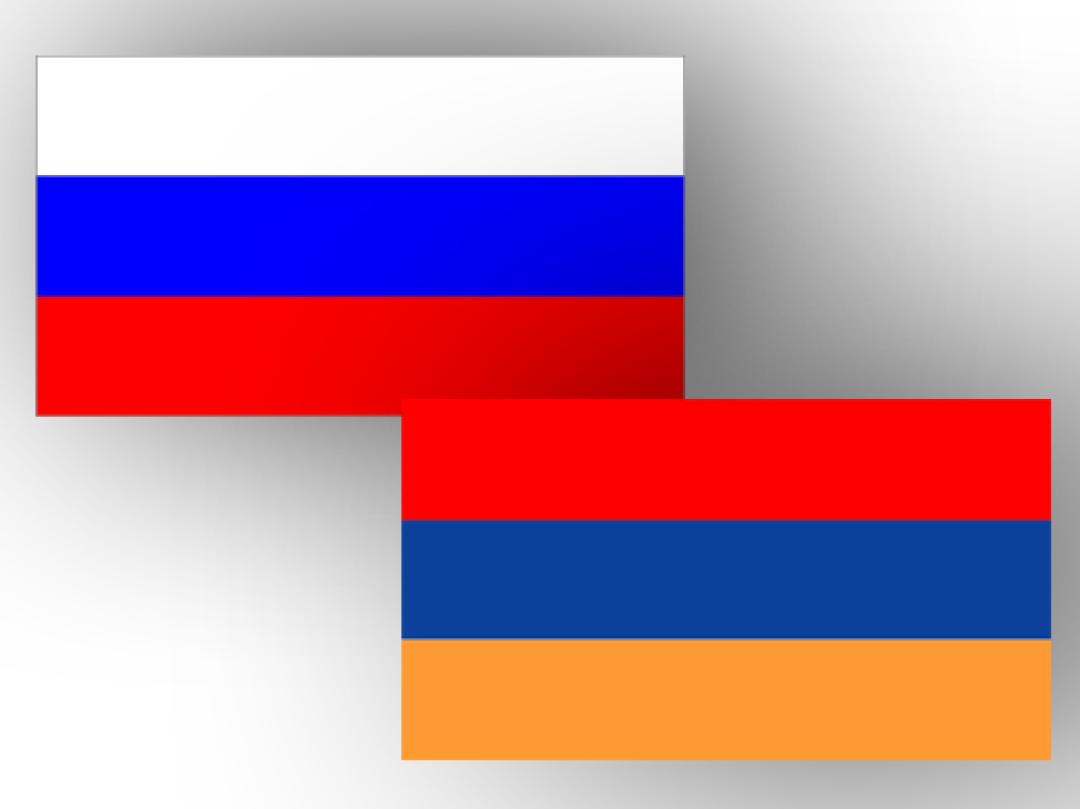
On December 11, Nikol Pashinyan, the Prime Minister of Armenia, arrived in the Russian Federation for a working visit. He was welcomed at Moscow's Vnukovo Airport by Alexander Pankin, the Russian Deputy Foreign Minister. Pashinyan participated in the regular session of the Eurasian Intergovernmental Council in Moscow, which began with a narrow-format session and was followed by an expanded session. The expanded session included the heads of governments of the EAEU member states, as well as Abdulla Aripov, the Prime Minister of Uzbekistan, an observer country in the EAEU.
During his speech at the expanded session, Prime Minister Pashinyan emphasized Armenia’s commitment to strengthening the EAEU’s global economic role and expanding the organization’s foreign economic relations. He highlighted the importance of concluding new free trade agreements to enhance competitiveness and create opportunities for economic growth. He also stressed the significance of the transport and logistics sector in diversifying infrastructure and boosting trade turnover. In this context, he welcomed the decision of the President of Azerbaijan to unblock the transit of goods to Armenia through Azerbaijan, describing it as an important step toward regional peace and stability.
The Prime Minister emphasized the creation of common energy markets as a key factor for ensuring equal and predictable conditions for all EAEU member states. He called for fully functional common markets that support transparency, balanced interests, and prioritize domestic supply over exports to third countries. Pashinyan underlined the importance of stable agricultural systems and stressed the need for practical measures such as innovation, digital transformation, and financial support mechanisms for joint industrial and agro-industrial projects. Regarding digitalization, Pashinyan noted the importance of advancing e-commerce, ensuring technological compatibility among member states, and promoting the digital transformation of customs and transport sectors. He also emphasized cybersecurity measures, including joint information protection mechanisms, strengthening critical infrastructure resilience, and developing standards for responding to cyber threats.