
Russia and Iran Reject US-Led Peace Deal Over South Caucasus Influence; Threaten Armenia and Azerbaijan
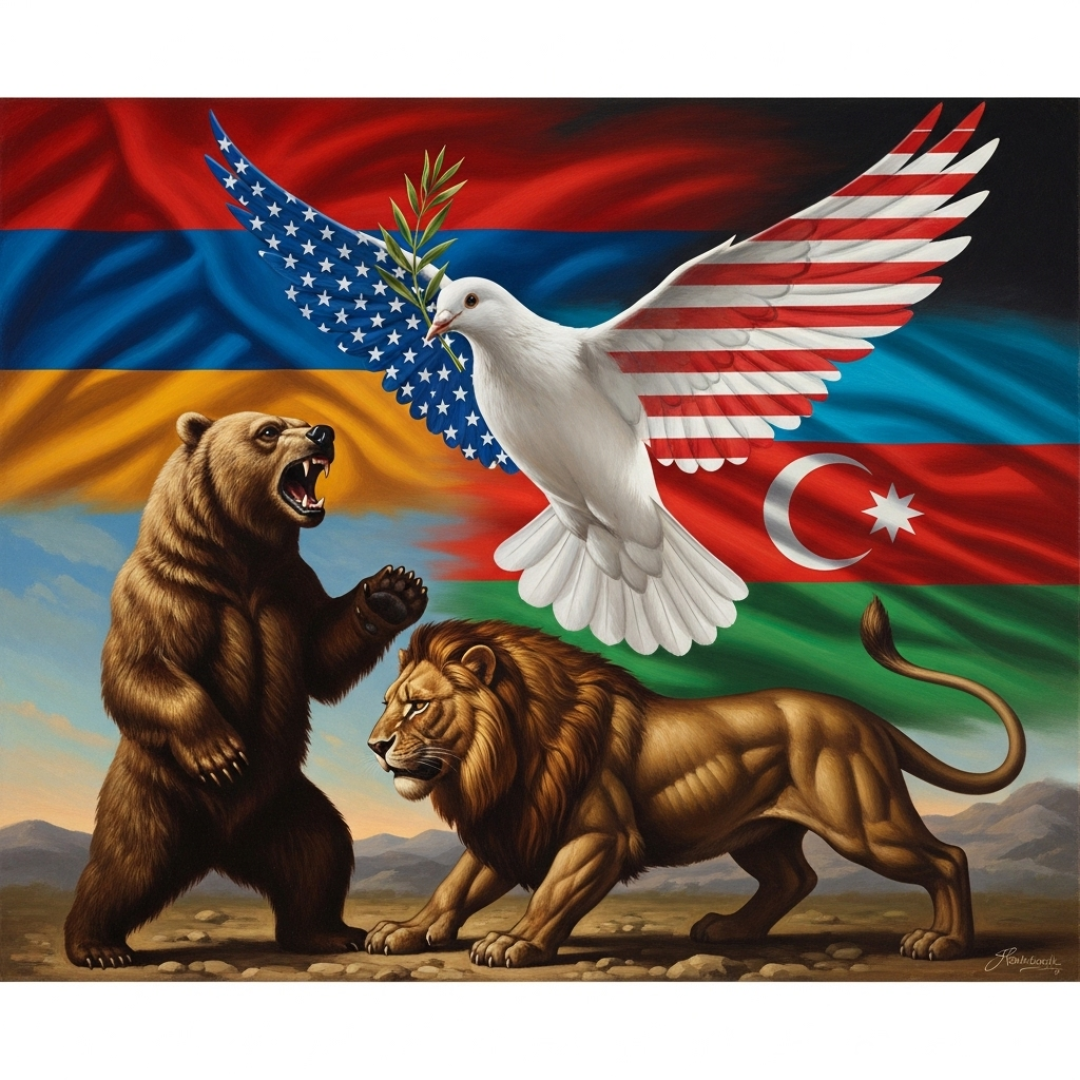
While the US-brokered Armenia-Azerbaijan peace agreement received widespread international praise, Russia and Iran reacted with sharp criticism. Both nations voiced opposition to the Zangezur corridor, warned against growing US and NATO influence in the South Caucasus, and advocated for regional solutions that respect sovereignty.
Reactions from Russia
Konstantin Zatulin, a member of the Russian State Duma, harshly criticized Armenia’s participation in the Washington talks, calling it "the most despicable" aspect of the deal. He warned that the agreement would allow the US to establish influence in the region, forcing Russia and Iran to adapt. He argued that the deal primarily serves the national interests of Turkey, Israel, the US, and Azerbaijan, while Russia and Iran risk losing influence. Zatulin accused Prime Minister Pashinyan of betraying his country and ignoring its national interests. Other Russian officials, like MP Andrey Gurulyov, suggested that Russia could apply economic pressure on Azerbaijan.
The Russian Foreign Ministry stated that the optimal approach to resolving regional issues is for the countries themselves to develop solutions with support from their neighbors—Russia, Iran, and Turkey. The Ministry stressed that non-regional actors should not create additional divisions and reaffirmed that trilateral agreements involving Russia remain relevant.
Reactions from Iran
Iranian authorities have repeatedly warned against the opening of the Zangezur corridor. Abbas Mousavi, the former Iranian Ambassador to Azerbaijan, described US involvement in the matter as both "interesting and dangerous." Iranian Foreign Minister Abbas Araghchi reaffirmed Iran's support for peace based on respect for sovereignty and territorial integrity but expressed concern about any foreign presence, particularly the involvement of an American company, which he warned could threaten regional stability. However, Iranian President Masoud Pezeshkian noted that the corridor is a transit road to be built under Armenia’s sovereignty and jurisdiction, a principle that aligns with Iran's stated position.