
Russian Raids On Azerbaijanis In Yekaterinburg Trigger Diplomatic Crisis Between Moscow and Baku
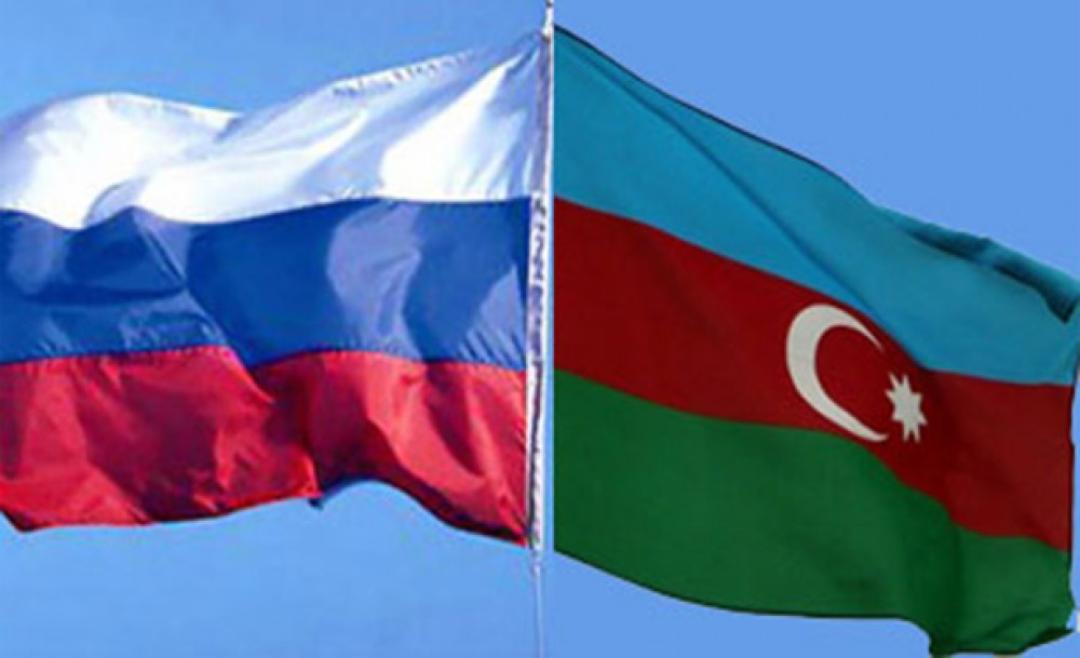
In the early hours of June 27, the Russian FSB and SOBR special forces carried out coordinated raids on several homes of ethnic Azerbaijanis in Yekaterinburg, linked to a cold-case murder from the early 2000s. During the operation, two men—identified as brothers Ziyaddin and Huseyn Safarov—were killed, reportedly due to torture at their residences. At least nine others were detained, with several sustaining serious injuries. One detainee, Ahliman Ganjiyev, was allegedly tortured for hours at the regional Investigative Committee, according to his lawyer. On June 29, Yekaterinburg courts ordered 22-day detention for three Safarov brothers (Akif, Ayaz, Mazahir) and extended custody for Ganjiyev, Shahin Lalayev, and Bakir Safarov under temporary arrest.
Witness Explanation
Vugar Safarov, one of the Azerbaijanis detained by Russia’s Federal Security Service in Yekaterinburg and later released, provided a detailed account of the events. According to him, on June 27 around 05:00, security officers entered his home forcibly without presenting documents. "Everyone was masked. They beat us without asking questions, searched the house, and forced our heads to the floor," Safarov stated. He described how he and others, including two children, were violently assaulted for over an hour and later transported in unclean vehicles, where they faced verbal abuse and physical torture, including electric shocks. Safarov reported that his father was detained in a neighboring room, where he heard him screaming. Despite his father mentioning a heart stent, officers allegedly applied electric current to his chest for hours. "Eventually, he screamed 'I'm dying,' and they called an ambulance," he recalled. Before hospital transport, his father warned, "Son, they want to blame everything on me. All my ribs are broken." Vugar Safarov further claimed they were pressured to sign military contracts for war service, and upon refusal, officers continued torture, mocking his modest humanitarian donation. He noted that only after intervention by Shahin Shikhlinski, head of the Azerbaijani diaspora in Yekaterinburg, and his lawyer son were he and his brother released. Another detainee, Ramil Safarov, reported that officers broke into his home at 06:00, searched it, and assaulted him. "They kicked me, made me lie on the floor, and beat me across my body. My vision is blurred and I feel dizzy," Ramil Safarov stated, showing his bruises. He added that his nose bled from the beatings, and officers instructed him to wipe it to hide evidence. Ramil Safarov emphasized no legal documents were shown during the raid and described how officers tried to coerce him into falsely incriminating his father under threat of death.
Official Reaction from Azerbaijan
In a statement released on June 28, the Ministry of Foreign Affairs of Azerbaijan expressed serious concern over the security raids conducted by the Russian Federal Security Service on June 27 at the homes of Azerbaijanis in Yekaterinburg. The ministry noted the operation resulted in the deaths of Azerbaijani nationals, serious injuries to others, and the detention of nine individuals. The Azerbaijani side requested Russian authorities to investigate the incident promptly and hold those responsible accountable for the reported violence. On the same day, Pyotr Volokovykh, the Chargé d’Affaires of the Russian Federation’s Embassy in Azerbaijan, was summoned to the Foreign Ministry in Baku. During the meeting, a formal protest was raised against the actions of Russian security forces, which led to the deaths of two Azerbaijanis, severe injuries, and multiple detentions. Azerbaijani officials reiterated their call for a thorough investigation and swift prosecution of those involved. In her letter on June 29, Sabina Aliyeva, the Azerbaijani Ombudsman, criticized the actions of Russian security forces in Yekaterinburg as significant human rights violations, particularly the rights to life and freedom from torture, as outlined in Articles 20 and 21 of the Constitution of the Russian Federation and the UN Convention against Torture. She urged Tatyana Moskalkova to oversee the case personally and requested a thorough, objective, and transparent investigation, punishment for those responsible, and support for the victims' families. Aliyeva also highlighted the need for preventive measures to avoid future incidents. The same day, reports indicated the cancellation of a planned visit by Alexey Overchuk, Russia’s Vice Prime Minister, to Azerbaijan, with Baku considering visits by Russian officials inappropriate under current conditions.
On June 29, Ali Ahmadov, First Deputy Speaker of the Milli Majlis of Azerbaijan, announced the cancellation of the Azerbaijani parliamentary delegation’s participation in the 23rd session of the Interparliamentary Cooperation Commission with the Federal Assembly of the Russian Federation, citing the recent ethnically motivated killings and violence against Azerbaijanis by Russian law enforcement in Yekaterinburg. According to a statement from the Press and Public Relations Department of the Azerbaijani Parliament on the same day, the decision to withdraw from the Moscow session was a direct response to what officials described as targeted and extrajudicial killings and acts of violence against Azerbaijani citizens by Russian security forces. The statement also referenced the recurring nature of such incidents in recent years as a factor in the delegation’s cancellation.
Reaction from Azerbaijani MPs
Azerbaijani MP Azer Karimli described the June 27 operation as a serious case of ethnic discrimination and human rights violations. He noted that the Foreign Ministry responded promptly and demanded Russian authorities investigate and punish those responsible. "Such acts of cruelty, conducted under the pretext of law enforcement, cannot be justified," Karimli stated. Azerbaijani MP Agil Abbas termed the Yekaterinburg operation "savagery" and compared it to rare acts of brutality, expressing concern over Russia’s treatment of ethnic minorities. Abbas called for accountability. MP Fazil Mustafa labeled the operation a state crime, not migrant suppression, describing the violence as deliberate and state-ordered. He argued Azerbaijan’s strong reaction was warranted and urged accountability to preserve strategic relations. Former Foreign Minister Tofig Zulfugarov condemned the incident as part of a pattern in Russia’s treatment of ethnic minorities, noting Azerbaijan’s limited ability to protect its citizens with Russian citizenship and pointing to internal Russian power struggles targeting specific groups. MP Elchin Mirzabayli suggested the violence against Azerbaijanis and Muslim migrants served political purposes for Moscow, indicating support for ultra-nationalist elements in Armenia and redirecting internal discontent. He described it as state-fueled chauvinism. MP Musa Guliyev called the Yekaterinburg events state-sponsored terror, warning of strained Azerbaijan-Russia relations. He criticized media manipulation and demanded accountability. Azerbaijani MP Elman Nasirov likened the raid to Stalin-era repressions, questioning the legal basis and highlighting Russia’s impunity despite prior grievances, including a downed passenger plane and cyberattacks. Rasim Musabayov, an MP and political scientist, viewed the violence as part of a Russian policy of intimidation targeting Muslim migrant communities, aiming to coerce youth into the Ukraine war. He advocated for Azerbaijan to distance itself from Russia. Sabir Rustamkhanli, Chairman of the Civil Solidarity Party, called the FSB raid a "bandit" crime, condemning historical ethnic oppression and forced conscription into Ukraine. He urged stronger Azerbaijani identity promotion and accountability.
Reflections in Azerbaijani Media
On June 30, Azerbaijani state-controlled media criticized Russia’s ethnic violence against Azerbaijanis in Yekaterinburg, framing it as part of Kremlin-sanctioned xenophobia escalating into state policy under Vladimir Putin. The Report news agency described the June 27 FSB operation—resulting in killings, torture, and detentions—as a further mark on Russia’s international reputation. It suggested Russia centralized racist violence within state security, targeting Turkic and Muslim migrants for intimidation and war recruitment. Report cited Russian Investigative Committee data and accused Kremlin figures of orchestrating a campaign against non-Russians to assert dominance in the region. It warned of potential backlash for Moscow’s strategy. Separately, state news agencies AZTV and APA compared modern Russia’s policies to Nazi Germany in the 1930s, characterizing its governance as built on propaganda and control, with foreign policy reflecting authoritarian tactics.
Reaction from Diaspora
On June 29, the Russian Community of Azerbaijan condemned the brutality of Russian security forces in Yekaterinburg, which resulted in two deaths and several injuries, according to a statement. The community expressed concern that such incidents could harm relations between Russia and Azerbaijan, nations with historical ties. It criticized the targeting of ethnic groups under crime-fighting pretexts and warned against terms like "ethnic crime" that undermine equality. The statement highlighted Azerbaijan’s support for Russian-speaking citizens, noting their integration and the thriving of Russian culture. Recalling the Aktau plane crash, the community criticized Russian silence and lack of accountability, calling for a transparent investigation to preserve bilateral relations. Reactions from Russia
On June 29, Maria Zakharova, the Russian Foreign Ministry Spokesperson, stated that detentions of Azerbaijani diaspora members in Yekaterinburg were part of ongoing criminal investigations. She noted that Petr Volokovykh provided explanations to Azerbaijan, assuring law enforcement control. Russian lawmaker Konstantin Zatulin accused Azerbaijan of exaggerating its response and pursuing self-serving regional policies. He argued Azerbaijan’s actions, including cultural exchange reductions, were disproportionate and tied to broader regional ambitions, such as the Nagorno-Karabakh conflict, despite past cooperation with Moscow.