
The EU Postpones the Human Rights Dialogue with Georgia
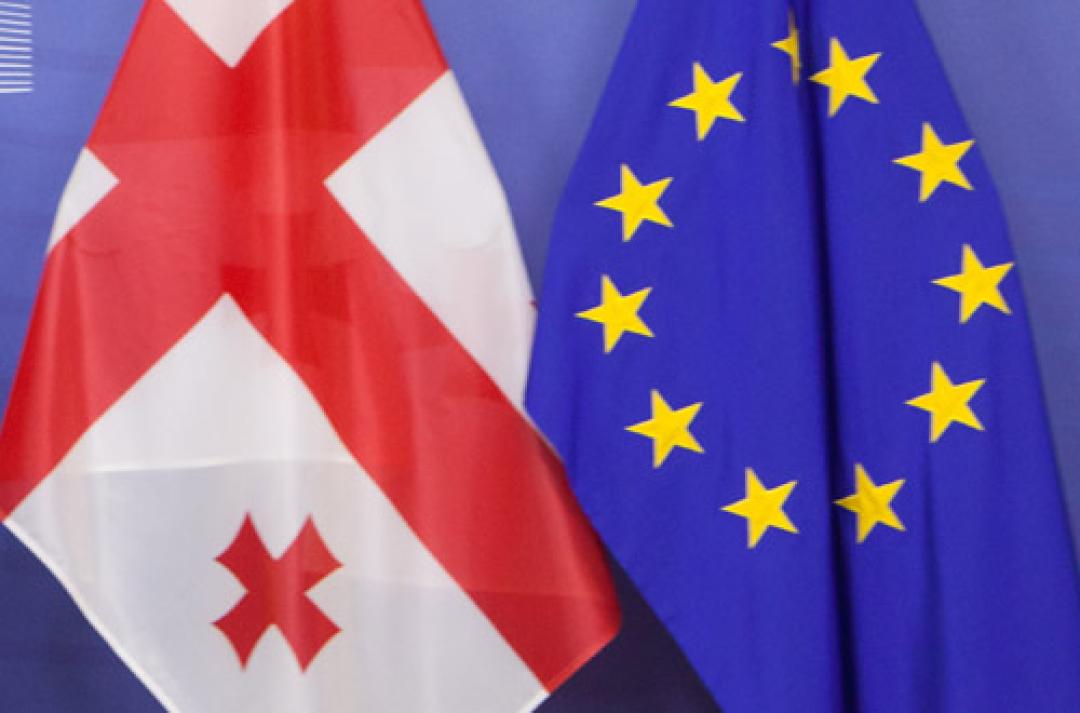
European Commission spokesperson Anitta Hipper announced that the Annual Human Rights Dialogue meeting between Georgia and the European Union, planned to be held on November 21, was postponed. The Georgian Foreign Ministry has issued a statement regarding the postponement of the EU-Georgia dialogue on human rights.
The Georgian Foreign Ministry noted that despite the suspension of EU dialogue with Georgia at all levels, in accordance with the EU Council conclusions of June 27, 2024, Tbilisi viewed the upcoming human rights meeting as an opportunity to engage with Brussels and discuss issues frequently criticized by Georgia. "Unfortunately, despite the Georgian side's desire to hold a human rights meeting in the format of the Georgia-EU dialogue, the European side postponed the said meeting under a completely unacceptable and unfounded pretext". "Using this topic for further speculation raises legitimate doubts and creates the impression that the European External Action Service was not genuinely interested in holding the meeting and that Brussels is not prepared to listen to the Georgian side's reasoned position, including on the issues that were used to suspend political dialogue with Georgia," the Ministry of Foreign Affairs said in a statement released on November 19. The ministry clarified that the Georgian delegation included representatives of several government agencies.
According to Radio Free Europe/Radio Liberty's Georgian service, the meeting was postponed due to the inclusion of a sanctioned Georgian official in the delegation. This is presumably the Deputy Minister of Internal Affairs. European diplomats stated that "the Georgian side insisted on the participation of individuals subject to sanctions," which the EU considers unacceptable. Brussels emphasized that the meeting was postponed "due to obstacles created by the Georgian side".
The Minister of Internal Affairs has five deputies: Shalva Tadumadze, Aleksandre Darakhvelidze, Mariam Tabatadze, Roland Meskhi, and Giorgi Sakhokia. Two of them – Shalva Tadumadze and Aleksandre Darakhvelidze – are under sanctions from various countries. Another deputy minister, Giorgi Butkhuzi, who was under sanctions from Lithuania, Latvia, and Estonia, was dismissed on November 11, and Giorgi Sakhokia was appointed in his place. The European Union has not yet imposed unified sanctions against high-ranking Georgian officials. Restrictions imposed by individual countries on representatives of the Georgian Dream party remain in effect.