
The Georgian Government Toughens Laws on NGOs
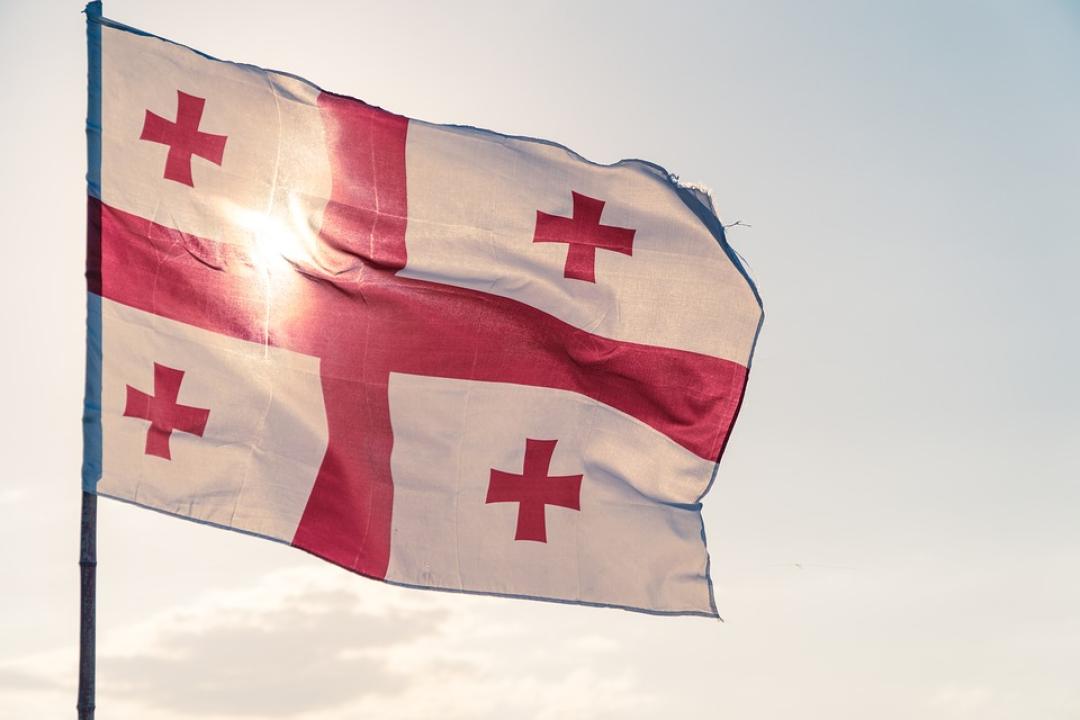
Roughly thirty Georgian civil society organizations (CSOs) have condemned the ruling Georgian Dream party’s newly announced plan to impose tougher penalties for protest-related actions, calling it a "de facto ban on peaceful assembly" and "a further step toward dismantling democracy" in the country. The ruling party unveiled on October 13 a package of amendments introducing stricter administrative and criminal sanctions for protesters who cover their faces during rallies, obstruct roads, or participate in demonstrations that authorities have ordered to disperse. Under the proposal, many of these acts could result in up to 60 days of administrative detention, while repeat offenses could carry prison sentences ranging from one to two years.
In a joint statement released on October 14, 25 CSOs warned that the amendments send a clear message from the government: "Anyone who dares to speak out will face arrest". The groups argued that the initiative effectively outlaws public protest and violates both Georgia’s Constitution and the European Convention on Human Rights. "This bill does not only target politically active citizens," the statement read. "It affects every Georgian who demands justice, protests corruption or police abuse, speaks against violence, defends social rights, or seeks environmental protection".
The Georgian Young Lawyers’ Association (GYLA) issued a separate statement, asserting that the initiative is directly aimed at curbing the continuous demonstrations on Tbilisi’s Rustaveli Avenue. According to GYLA, the move "institutionalizes injustice" and erodes the foundations of the rule of law. Protests have persisted in Georgia since November 28, 2024, after Georgian Dream, in the wake of the disputed October 26 parliamentary elections, announced the suspension of the country’s EU integration process. Demonstrators have maintained a nightly presence outside Parliament for over 320 days, though participation has gradually declined since the initial large-scale mobilization.
Tensions have intensified since the October 4 unrest in Tbilisi, when segments of a rally attempted to march toward the presidential palace, prompting police intervention and mass arrests. Following the incident, the ruling party pledged a "firm response" and signaled its intent to end what it called "unlawful street gatherings". Prime Minister Irakli Kobakhidze, in an October 6 interview, vowed to take "methodical and systematic" measures against the protests, describing the demonstrators as "a hundred foreign agents". Speaking again on October 14, a day after announcing the proposed legal amendments, Kobakhidze argued that the changes would ensure public order and "protect the rights of the majority". "Current laws already state that a small group cannot block streets at will," he said. "But since existing fines have proven ineffective, we are now introducing proportionate administrative and criminal penalties. This reflects the essence of democratic governance," Kobakhidze added.